Driving a manual transmission vehicle can be a thrilling experience, offering greater control over your car and a more engaging driving experience. However, it also comes with its challenges, especially for those who are used to automatic vehicles. At Glorious Driving School, we understand the importance of mastering manual driving techniques for safety and efficiency. In this comprehensive guide, we will cover everything you need to know about safely driving a manual transmission vehicle, from understanding its components to mastering essential driving techniques.
Understanding the Manual Transmission Vehicle
Before diving into the practical aspects of driving a manual vehicle, it’s essential to understand its components and how they work together to facilitate driving.
Key Components of a Manual Transmission Vehicle:
- Clutch Pedal: Located to the left of the brake pedal, the clutch pedal is used to disengage the engine from the wheels, allowing you to change gears.
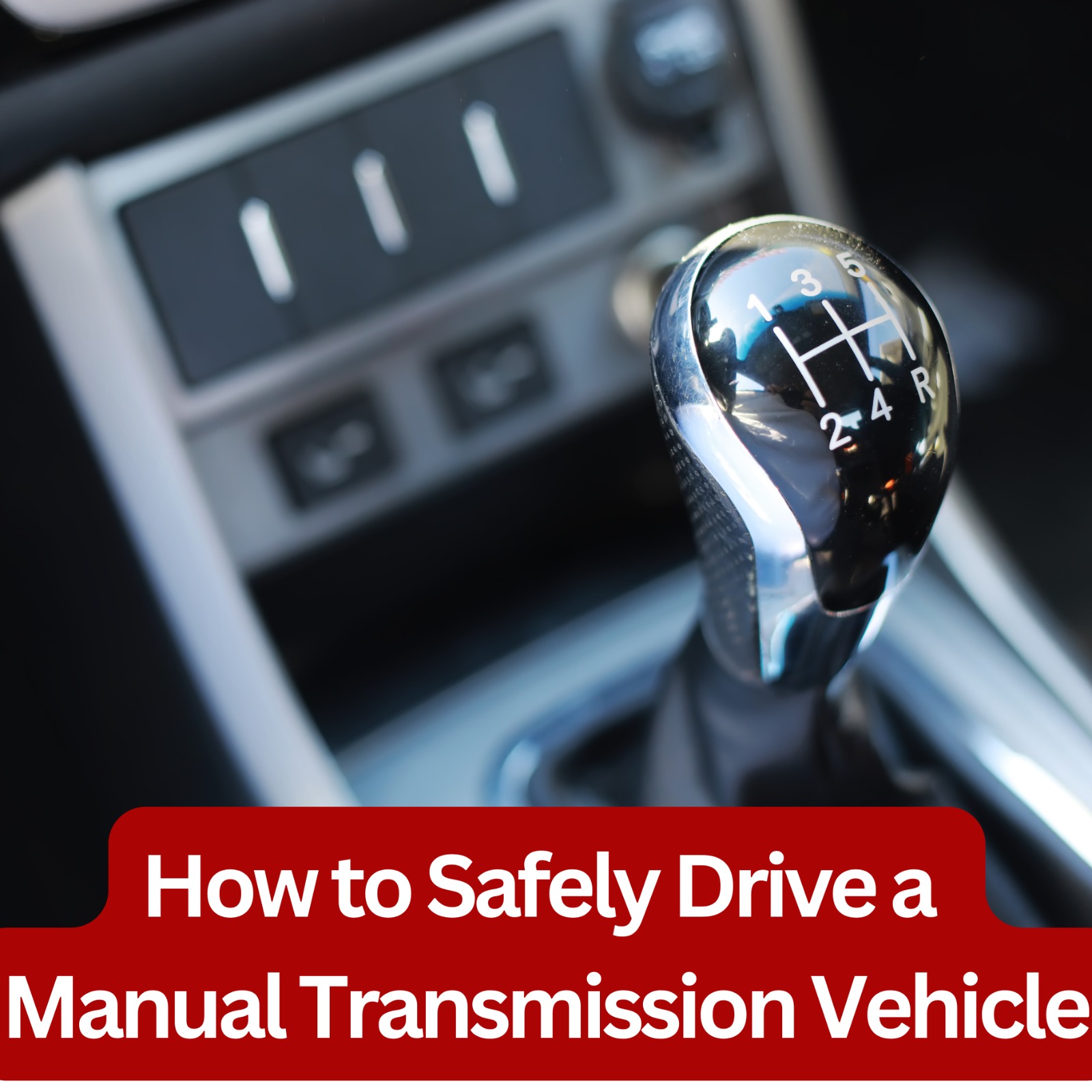
- Gear Stick (Shifter): This lever allows you to select different gears, typically ranging from first to sixth, and includes reverse.
- Throttle: The gas pedal controls the engine’s power, allowing you to accelerate the vehicle.
- Brake Pedal: Used to slow down or stop the vehicle.
Understanding these components will help you feel more comfortable behind the wheel. If you're looking for driving lessons in Sydney, our experienced driving instructors can provide detailed explanations and practical guidance on using these components effectively.
Getting Familiar with the Clutch
The clutch is a critical part of driving a manual transmission vehicle. It enables you to shift gears smoothly and safely. Here’s how to get comfortable with it:
Practicing Clutch Control:
- Pressing the Clutch: Always press the clutch pedal all the way down before shifting gears. This disengages the engine from the wheels.
- Releasing the Clutch: After shifting, gradually release the clutch pedal while simultaneously pressing the accelerator. This technique, known as "feathering," helps prevent stalling and ensures a smooth start.
- Finding the Bite Point: The bite point is when the clutch begins to engage. Practice finding this point by slowly releasing the clutch while the car is in gear and gently pressing the accelerator. This skill is crucial for starting on inclines or in stop-and-go traffic.
Shifting Gears Smoothly
Shifting gears smoothly is an essential skill when driving a manual transmission vehicle. Here are some tips to help you master this technique:
How to Shift Gears:
- Depress the Clutch: Always press the clutch pedal down fully before changing gears.
- Select the Gear: Move the gear stick to the desired gear. It’s important to follow the correct gear pattern—usually marked on top of the gear stick.
- Release the Clutch Gradually: After shifting, slowly release the clutch while applying the throttle. Ensure that the vehicle is in the correct gear for your speed to avoid stalling or over-revving the engine.
- Practice Engine Revs: Each gear has an optimal RPM range. Practice shifting at the right engine speed to achieve smooth transitions. For example, shift into higher gears as the RPM approaches 3,000 to 4,000, depending on your vehicle.
If you’re looking to improve your manual driving skills, consider booking a lesson with our driving instructors at Glorious Driving School. We offer tailored driving lessons to help you gain confidence and proficiency in manual transmission driving.
Starting and Stopping in a Manual Vehicle
Starting and stopping a manual vehicle can be tricky for beginners. Here’s how to master these fundamental skills:
How to Start a Manual Vehicle:
- Press the Clutch and Start the Engine: With the gear stick in neutral, press the clutch pedal and turn the ignition key.
- Shift into First Gear: Once the engine is running, depress the clutch and shift into first gear.
- Find the Bite Point: Gradually release the clutch until you feel the bite point.
- Accelerate and Release the Clutch: As you feel the car start to move, gently press the accelerator while continuing to release the clutch fully.
How to Stop a Manual Vehicle:
- Press the Clutch: When approaching a stop, press the clutch pedal down to disengage the engine.
- Shift to Neutral: As you come to a complete stop, shift into neutral and release the clutch.
- Use the Brake: Apply the brake as needed to bring the vehicle to a stop.
- Use the Handbrake: If you’re stopping on an incline, engage the handbrake to prevent rolling backward.
Practicing these techniques during your driving lessons will help you gain confidence in starting and stopping a manual vehicle.
Driving on Inclines
Driving on inclines can be particularly challenging for manual drivers. Here’s how to navigate uphill and downhill driving safely:
How to Start on an Incline:
- Use the Handbrake: Engage the handbrake to prevent the vehicle from rolling back while you prepare to start.
- Find the Bite Point: With the handbrake engaged, press the clutch and shift into first gear. Slowly release the clutch to find the bite point.
- Release the Handbrake: Once you feel the bite point, gently release the handbrake while pressing the accelerator to move forward smoothly.
How to Descend Safely:
- Shift to Lower Gears: When going downhill, shift into a lower gear to use engine braking. This technique helps maintain control without over-relying on the brakes.
- Brake Smoothly: Apply the brakes gradually as needed, allowing the vehicle to slow down without losing traction.
- Stay Alert: Watch for pedestrians, cyclists, and other vehicles, especially on steep declines where visibility may be limited.
Navigating Turns in a Manual Vehicle
Taking turns in a manual vehicle requires careful attention to speed, gear selection, and throttle control. Here’s how to do it safely:
How to Turn Safely:
- Slow Down: Reduce your speed as you approach the turn. Use the brakes and downshift to the appropriate gear for the speed of the turn.
- Press the Clutch: As you prepare to turn, press the clutch and shift into the correct gear.
- Turn and Accelerate: While turning, maintain a steady speed. Once you are through the turn, gradually release the clutch and apply the throttle to accelerate out of the corner.
- Practice Cornering: Take the time to practice turning at various speeds and angles during your driving lessons to build confidence.
Defensive Driving with Manual Transmission
Defensive driving is crucial for all drivers, but it becomes even more vital when operating a manual vehicle. Here are some tips to enhance your defensive driving skills:
Defensive Driving Techniques:
- Stay Aware: Keep an eye on your surroundings, including pedestrians, cyclists, and other vehicles. Always be prepared to react.
- Anticipate Traffic Changes: Watch for brake lights, turn signals, and other indicators that other drivers are about to change speed or direction.
- Maintain a Safe Distance: Ensure you keep a safe following distance. This buffer will give you more time to react, especially if you need to downshift or brake suddenly.
- Use Proper Gear Selection: Choosing the correct gear can help you react more swiftly in emergencies. For example, downshift to slow down quickly without relying solely on the brakes.
Practicing defensive driving techniques during your driving lessons in Sydney will help you stay safe on the road.
Mastering Gear Shifts in Various Conditions
Driving conditions can change rapidly, so knowing how to adjust your gear shifts accordingly is vital. Here’s how to handle different scenarios:
Driving in Rain or Snow:
- Shift Smoothly: In wet or slippery conditions, be gentle with the throttle and clutch to avoid losing traction.
- Use Lower Gears: Consider using lower gears to help maintain better control of the vehicle.
Driving in Heavy Traffic:
- Stay in Lower Gears: In stop-and-go traffic, it may be beneficial to stay in lower gears to avoid constant shifting.
- Be Mindful of Stalling: Always keep an eye on the car in front of you and be prepared to shift into neutral if you come to a complete stop.
Highway Driving:
- Use Higher Gears: Once you’re on the highway, shift into higher gears to optimize fuel efficiency and reduce engine strain.
- Watch Your RPMs: Maintain the correct RPM range for your vehicle to ensure smooth acceleration and braking.
Common Mistakes to Avoid When Driving Manual
Even experienced drivers can make mistakes when driving a manual vehicle. Here are some common pitfalls to watch out for:
Avoid These Common Mistakes:
- Riding the Clutch: Keeping your foot on the clutch pedal when not shifting can wear out the clutch prematurely. Only press the clutch when necessary.
- Neglecting to Downshift: Failing to downshift when slowing down can lead to stalling. Always anticipate your stops and shift gears accordingly.
- Ignoring the Gear Pattern: Some drivers mistakenly shift into the wrong gear. Always double-check the gear pattern and be mindful of your gear selection.
- Over-revving the Engine: Shifting too late can lead to over-revving, which can damage the engine. Pay attention to your RPMs and shift at the appropriate time.
Our driving instructors can help you identify and correct these mistakes during your driving lessons.
Conclusion
Driving a manual transmission vehicle can be a rewarding experience, but it requires practice, patience, and attention to detail. By mastering the essential skills outlined in this guide, you will become a more confident and safe manual driver.
If you're ready to learn how to drive a manual vehicle or improve your existing skills, Glorious Driving School is here to help. We offer comprehensive driving lessons in Sydney with experienced driving instructors who can guide you through every aspect of driving a manual transmission vehicle.
Book Your Driving Lessons with Glorious Driving School
Don't hesitate—book your driving lesson with Glorious Driving School today and experience the difference professional driving lessons can make! Visit our Bookings page to schedule your lesson.
Explore Our Packages
We offer attractive packages tailored to your needs. Check out our Packages page to find the best option for you.
Find an Instructor Near You
To find a qualified driving instructor in your area, visit our Instructors page.
With the right training and guidance, you’ll be well on your way to mastering the art of driving a manual transmission vehicle. Drive safely and confidently!