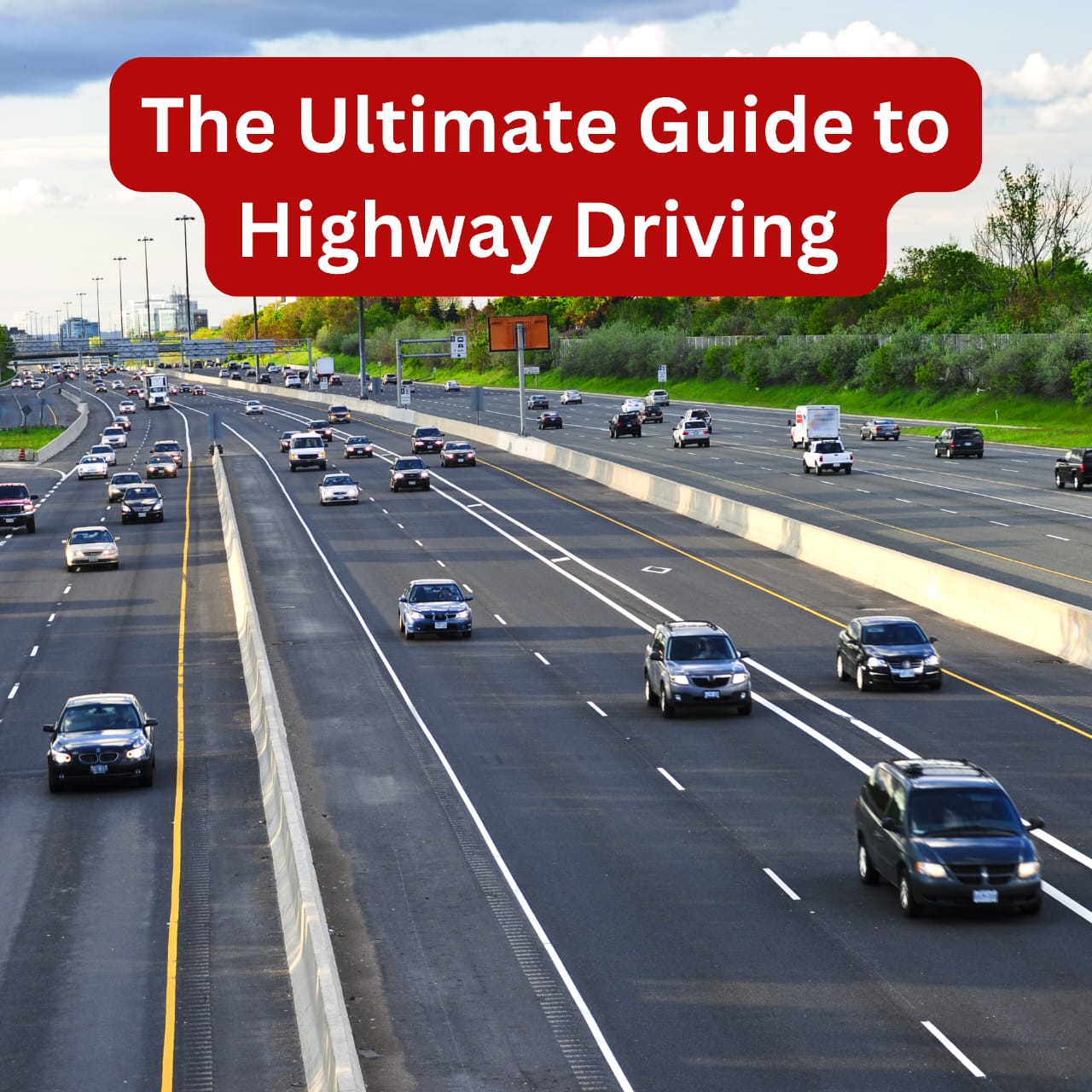
Highway driving is an essential skill for any driver, whether you're commuting daily, planning a road trip, or simply navigating busy roads. Mastering the art of highway driving can help reduce stress, improve safety, and make long-distance travel more enjoyable. In this guide, we’ll break down everything you need to know about highway driving, from merging smoothly onto highways to managing high speeds and heavy traffic.
At Glorious Driving School, our driving instructors in Sydney provide expert guidance to help you gain confidence on highways and master the skills needed for safe, efficient driving. If you're looking to enhance your driving skills, book driving lessons with us today. Our flexible and comprehensive lessons will have you prepared for any driving challenge.
Preparing for Highway Driving
Before you hit the highway, it's crucial to ensure both you and your vehicle are ready. Here’s what you should do to prepare:
Vehicle Check
Before getting onto the highway, perform a basic vehicle check to ensure it's in good working condition. This includes:
- Tire Pressure: Ensure tires are inflated to the correct pressure to avoid blowouts.
- Fluid Levels: Check your oil, brake fluid, and coolant levels.
- Lights and Indicators: Make sure your headlights, brake lights, and indicators are functioning.
- Fuel: Always have enough fuel for the journey.
Mental Preparation
Highway driving requires focus and confidence. You’ll be driving at higher speeds, often surrounded by fast-moving traffic. If you’re not used to highway driving, start by practicing on less busy highways or at quieter times of the day.
Merging onto the Highway
One of the first challenges in highway driving is merging onto the road. Proper merging requires timing, patience, and an understanding of the flow of traffic.
How to Merge Safely
- Use the On-Ramp to Gain Speed: When merging, use the acceleration lane to match the speed of the traffic on the highway.
- Signal Early: Indicate your intention to merge by using your turn signal well in advance.
- Look for a Gap: Check your mirrors and blind spots to find a suitable gap in the traffic. Do not force your way into traffic; wait for a safe opening.
- Smooth Entry: Once you’ve found a gap, merge smoothly without causing other drivers to brake suddenly.
Our experienced driving instructors in Sydney can help you practice merging techniques during driving lessons, ensuring you’re confident on busy highways.
Maintaining Safe Speeds and Distances
On highways, drivers must maintain a consistent speed and keep a safe distance from other vehicles to avoid accidents.
Speed Limits
Always adhere to the posted speed limits on highways. Driving too fast increases the risk of losing control, while driving too slow can frustrate other drivers and cause dangerous situations. Stick to the middle lanes if you’re maintaining the speed limit, and leave the far-right lane for overtaking.
Safe Following Distance
It’s vital to keep a safe distance between your vehicle and the car in front of you. A general rule is to follow the three-second rule: maintain at least a three-second gap, which allows you enough time to react to sudden stops. In adverse weather or heavy traffic, increase the gap for extra safety.
During our driving lessons in Sydney, our instructors will guide you through highway driving techniques, including managing your speed and maintaining safe distances.
Changing Lanes Safely
Changing lanes on the highway requires skill, precision, and caution. Here’s how to execute a lane change safely:
Check Your Mirrors and Blind Spots
Before changing lanes, check all mirrors and glance over your shoulder to ensure the lane is clear. Blind spots are areas outside your mirror’s view where another vehicle could be hiding.
Signal Your Intention
Always signal before changing lanes, giving other drivers enough notice. A sudden or unindicated lane change can result in dangerous situations, especially on highways.
Execute the Change Smoothly
Once you’ve checked your mirrors, blind spots, and signaled, change lanes smoothly without swerving. Don’t force your way into another lane; wait for the right moment when traffic allows.
Our driving school offers dedicated lessons on highway lane changes, helping you develop confidence when navigating multi-lane highways.
Managing High-Speed Traffic
Driving at high speeds can be daunting, but with practice, you’ll learn to manage it confidently.
Staying Calm in Fast Traffic
When driving at high speeds, it’s essential to remain calm and focused. Avoid sudden braking or steering and stay aware of the traffic flow. Try to predict what other drivers are likely to do, such as merging or changing lanes.
Avoiding Aggressive Driving
Aggressive drivers can be a challenge on highways, especially when they tailgate or try to force you to speed up. The best way to handle aggressive drivers is to remain calm, stick to the speed limit, and, if possible, move into another lane to allow them to pass.
During your driving lessons with Glorious Driving School, you’ll learn how to handle high-speed traffic effectively and manage aggressive drivers safely.
Navigating Highway Exits
Exiting the highway can be just as challenging as entering, especially during heavy traffic. Here’s how to navigate exits smoothly:
Signal Early
When approaching your exit, signal well in advance to let other drivers know you’ll be leaving the highway.
Reduce Speed Gradually
As you exit, reduce your speed gradually, following the posted speed limits for the off-ramp. Sudden braking can cause accidents, especially if traffic is heavy.
Stay in the Correct Lane
Plan ahead so you’re in the correct lane for your exit. Changing lanes at the last minute can be dangerous, especially on busy highways.
At Glorious Driving School, we cover all aspects of highway driving, including safe exits and lane changes. Book a lesson today to practice these essential skills with one of our experienced driving instructors in Sydney.
Dealing with Challenging Weather Conditions
Driving on highways in adverse weather conditions requires extra caution. Whether it’s rain, fog, or wind, these conditions can make highway driving more dangerous.
Driving in the Rain
Reduce your speed and increase your following distance when driving in the rain. Wet roads can cause hydroplaning, where your tires lose traction on the road surface. Always use your headlights, and if visibility is poor, use your wipers and reduce your speed.
Driving in Fog
In foggy conditions, reduce your speed and use your low-beam headlights (not high beams, as they can reflect light back at you). Stay in your lane and keep a safe distance from other vehicles.
Learning how to handle challenging weather conditions is a key part of our drivers education courses. Our driving instructors will guide you through real-life scenarios to help you stay safe.
Benefits of Professional Highway Driving Lessons
Enrolling in driving lessons that focus on highway driving can significantly boost your confidence and ensure you’re prepared for all types of driving conditions. At Glorious Driving School, our instructors offer tailored lessons to help you master:
- Highway merging
- Changing lanes safely
- Managing speed and distance
- Navigating exits and on-ramps
- Dealing with high-speed traffic
If you’re searching for a driving school near you to help improve your highway driving skills, Glorious Driving School offers expert training in Sydney and surrounding areas. We also offer competitive packages and flexible lesson times, making it easy for you to fit learning into your schedule.
Book Your Highway Driving Lesson Today
Ready to gain confidence on highways and improve your driving skills? Glorious Driving School is here to help! Our experienced driving instructors in Sydney are committed to helping drivers of all experience levels.
Conclusion
Highway driving can be intimidating at first, but with the right techniques and practice, you can become a safe and confident highway driver. Whether it's mastering lane changes, adjusting to high speeds, or handling challenging weather conditions, defensive driving is key to success on the highway.