Driving is a skill that requires full attention and awareness of your surroundings. One key aspect of driving safely is understanding and managing blind spots, which are areas around your vehicle that are not visible through your mirrors. Blind spots can pose significant risks if not properly checked, especially when changing lanes or merging into traffic.
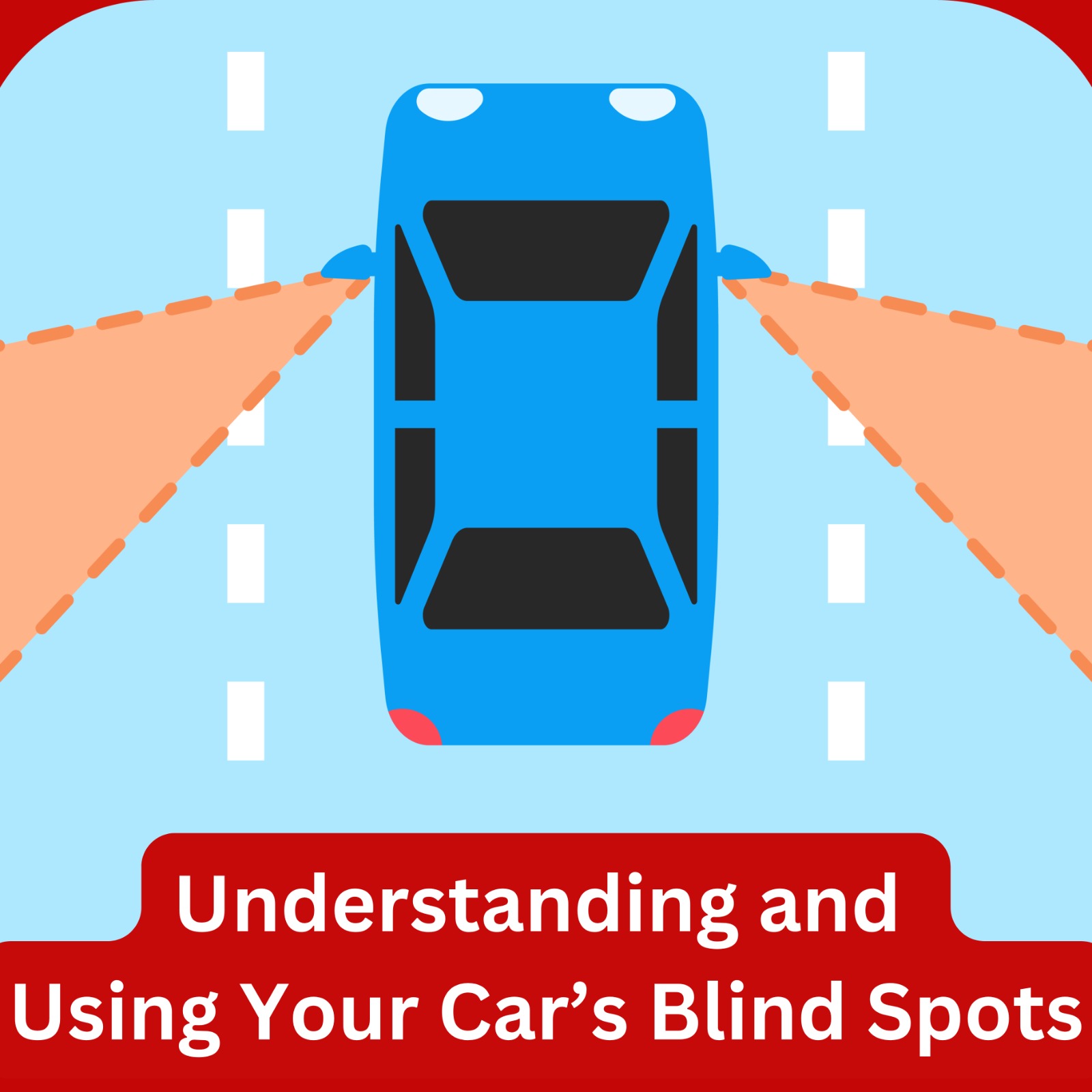
In this comprehensive guide, we will explore everything you need to know about car blind spots and how to use them effectively to ensure a safer driving experience. If you’re looking to improve your driving skills, Glorious Driving School offers personalized instruction with expert driving instructors to help you become a more confident driver. To book a lesson, visit here, and check out our packages for attractive offers.
What Are Blind Spots?
Blind spots are areas around your vehicle that you cannot see using your mirrors alone. Every vehicle, regardless of its size, has blind spots. These areas are typically located along the sides of the car and just behind the driver. The exact location and size of your blind spots depend on the make and model of your vehicle, as well as the positioning of your mirrors.
Understanding the Scope of Your Blind Spots
- Driver-side Blind Spot: Located to the left of the car, just outside the range of your side mirrors.
- Passenger-side Blind Spot: Located to the right of the car, also outside the side mirrors’ field of vision.
- Rear Blind Spot: Directly behind the car, this area is often not visible in rearview mirrors, especially for taller vehicles like SUVs or trucks.
Failing to check your blind spots can result in collisions, especially during lane changes or merges. At Glorious Driving School, our expert driving instructors in Sydney teach students how to identify and properly manage their vehicle’s blind spots to ensure safer driving.
Why Blind Spots Are Dangerous
Blind spots are dangerous because they prevent you from seeing vehicles or obstacles that may be close to your car. This can lead to accidents, particularly when making lane changes, merging onto highways, or even reversing.
Common Scenarios Involving Blind Spot Accidents
- Lane Changes: When you fail to check your blind spots before switching lanes, you may sideswipe another car that is already in the lane.
- Merging: Entering a highway or merging into traffic without checking blind spots can result in collisions with vehicles traveling in adjacent lanes.
- Backing Up: Blind spots behind your vehicle can make it difficult to see pedestrians, cyclists, or other cars when reversing.
At Glorious Driving School, we emphasize the importance of blind spot checks during our driving lessons. Our students learn how to safely change lanes, merge, and reverse without putting themselves or others at risk. If you're looking for a driving school near you, we're here to help.
How to Check Your Blind Spots
To drive safely and avoid accidents, it’s essential to perform proper blind spot checks. This involves both setting up your mirrors correctly and physically turning your head to check areas that are not visible through your mirrors.
Properly Adjusting Your Mirrors
- Rearview Mirror: Adjust your rearview mirror to cover the entire rear window, giving you a clear view of the road behind you.
- Side Mirrors: The side mirrors should be adjusted so that you can just see the side of your car at the edge of the mirror. This reduces the size of your blind spots and gives you a wider field of vision.
The Shoulder Check
Even with properly adjusted mirrors, it's important to do a shoulder check before making any lane changes or merges. Here's how:
- Look Over Your Shoulder: Turn your head in the direction of the lane you're moving into and glance over your shoulder to check the blind spot.
- Confirm Safety: Ensure that there are no vehicles or obstacles in your blind spot before proceeding with the lane change or merge.
At Glorious Driving School Sydney, our driving instructors will teach you how to combine mirror checks and shoulder checks effectively to manage your blind spots.
Technology That Helps Monitor Blind Spots
While manual blind spot checks are essential, modern vehicles often come equipped with technology designed to assist drivers in monitoring blind spots. These features can be a helpful aid, but they should never replace proper mirror and shoulder checks.
Blind Spot Monitoring Systems (BSM)
Blind Spot Monitoring Systems use sensors to detect vehicles in your blind spots. If a car is detected, a warning light will appear on your side mirror, alerting you to the presence of a vehicle. Some systems also provide audible warnings if you attempt to change lanes while a vehicle is in your blind spot.
Rear Cross Traffic Alert (RCTA)
RCTA systems detect vehicles approaching from either side when you're reversing out of a parking space. This can be particularly helpful in crowded parking lots where your rear blind spots are more pronounced.
Lane Departure Warning (LDW)
Lane Departure Warning systems alert you if your vehicle begins to drift out of its lane without signaling. This technology can help prevent accidents caused by inattentive lane changes or merging.
While these systems are useful, they do not eliminate the need for a visual check. Our driving instructors in Sydney will help you understand how to use these features effectively while still maintaining safe driving habits.
Best Practices for Managing Blind Spots
Managing your blind spots requires a combination of good mirror use, proper positioning, and consistent checks. Below are some best practices to ensure you're handling your blind spots effectively.
Always Check Before Changing Lanes
No matter how clear the road may seem, always perform a quick shoulder check before changing lanes. This simple action can prevent accidents and ensure that no vehicle is hiding in your blind spot.
Signal Early
Signaling gives other drivers a heads-up that you're planning to change lanes or merge. This can help them anticipate your actions and avoid entering your blind spot.
Position Your Vehicle Correctly
When driving next to other vehicles, try to avoid staying in their blind spots for too long. Either slow down or speed up slightly to ensure you're in their field of vision. Likewise, be aware of your own vehicle’s blind spots and stay alert for smaller vehicles, like motorcycles, that might be harder to see.
At Glorious Driving School, we provide personalized lessons that teach you how to safely manage your vehicle’s blind spots. Our driving lessons in Sydney are designed to give you hands-on experience with real-world scenarios, helping you build confidence on the road.
Common Blind Spot Myths Debunked
There are a few misconceptions about blind spots that can lead to unsafe driving practices. Let's debunk some of the most common myths:
Myth: You Don’t Need to Check Blind Spots in Smaller Cars
While it's true that smaller cars often have smaller blind spots, every vehicle has blind spots that need to be checked. Regardless of your car's size, always perform a shoulder check before changing lanes.
Myth: Blind Spot Monitoring Systems Eliminate the Need for Shoulder Checks
Although blind spot monitoring systems can be helpful, they are not infallible. Sensor malfunctions or delayed alerts can occur, so it’s important to always perform a visual check.
Myth: Setting Your Mirrors Outward Eliminates Blind Spots
While adjusting your mirrors correctly can reduce the size of your blind spots, they cannot eliminate them entirely. Shoulder checks are still necessary to cover areas outside the mirror’s view.
At Glorious Driving School, we emphasize the importance of combining technology with traditional driving techniques to ensure maximum safety on the road. To learn more, book a lesson with one of our experienced driving instructors near you today.
Book a Lesson with Glorious Driving School
Understanding and managing your car's blind spots is an essential part of being a safe and confident driver. At Glorious Driving School, we offer expert instruction to help you master these skills. Whether you're a new driver or looking to refresh your skills, our driving lessons in Sydney are tailored to meet your needs.
Why Choose Glorious Driving School?
- Experienced Driving Instructors: Our instructors are highly trained and experienced in teaching all aspects of safe driving, including blind spot management.
- Flexible Scheduling: We offer lessons at times that work best for you, with the option to choose your instructor.
- Competitive Pricing: Check out our packages for great deals on driving lessons.
To book a driving lesson, visit here. Explore our Instructors page to find a qualified instructor near you and start your journey towards becoming a safer, more confident driver.
Conclusion
Blind spots are a common challenge for all drivers, but by understanding their locations and using the proper techniques to check them, you can significantly reduce the risk of accidents. Remember, safe driving is all about staying aware of your surroundings and anticipating potential hazards.
If you're ready to master blind spot management and other essential driving skills, Glorious Driving School is here to help. Book a lesson today and start driving with confidence!